Worldwide

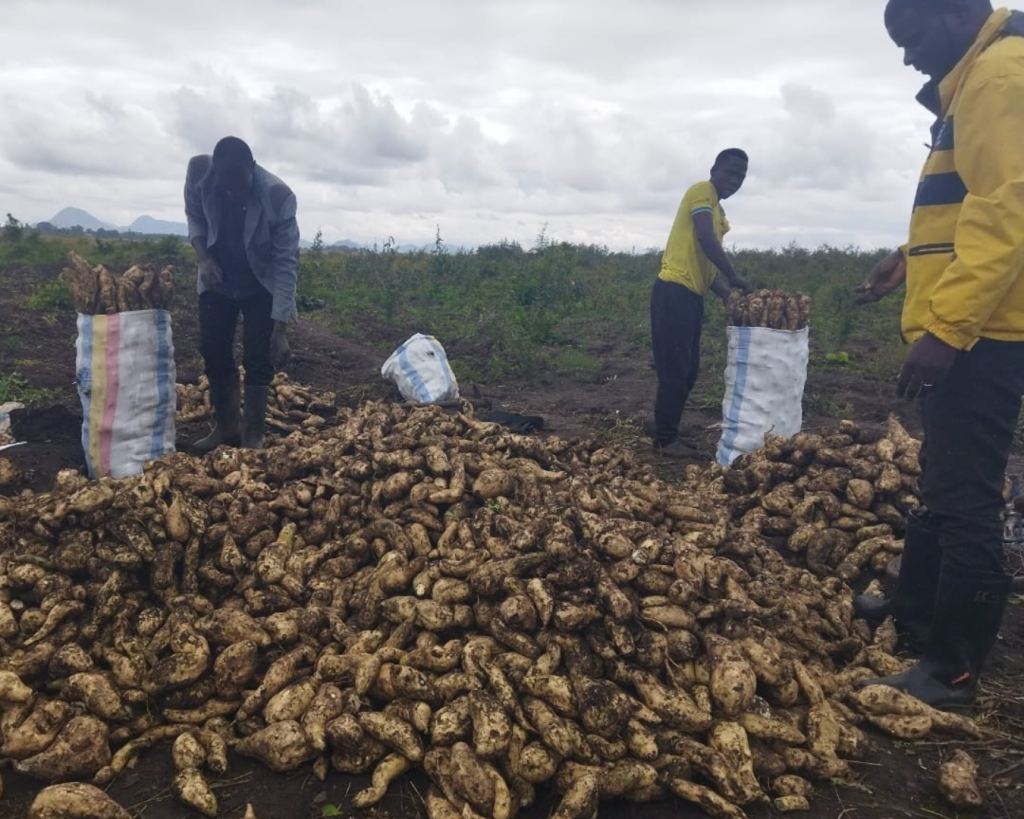
Cleaning Up the Fields: Across Africa and Asia GEF is Helping Farmers Rewrite Their Pesticide Story

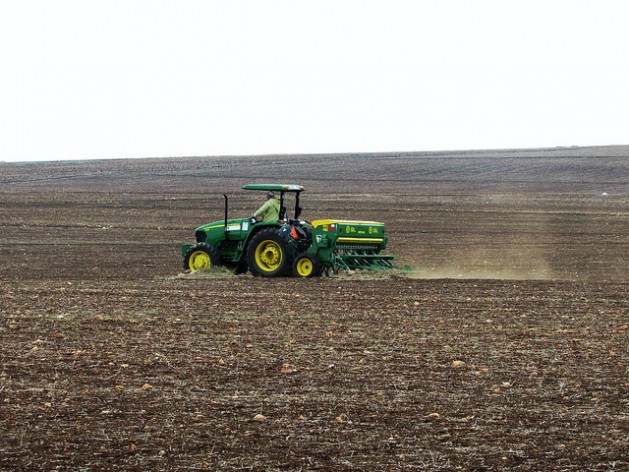
LILONGWE & VIENTIANE, May 7 (IPS) – For decades, pesticides have been a quiet pillar of Malawi’s agriculture, guarding crops against pests, improving yields, and sustaining millions of livelihoods. But beneath this success story lay a troubling reality: weak regulation, unsafe handling practices, and growing threats to human health and the environment.
Read the full story, “Cleaning Up the Fields: Across Africa and Asia GEF is Helping Farmers Rewrite Their Pesticide Story”, on globalissues.org →

Data Gaps are Hiding the Most Excluded Children

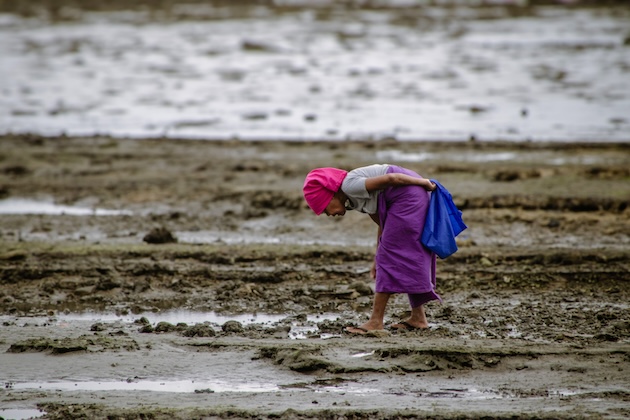
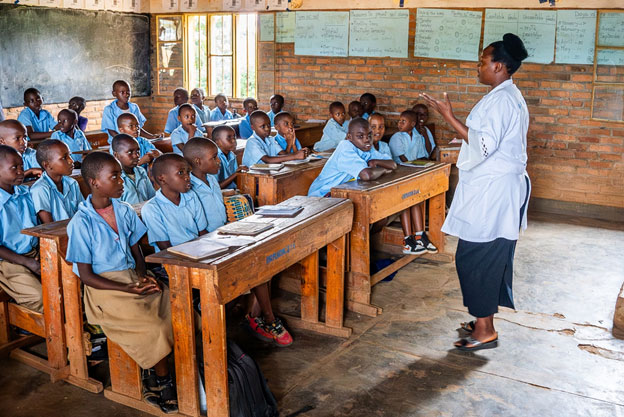
DOHA, Qatar, May 7 (IPS) – In 2024, 273 million children, adolescents, and youth were out of school globally as per the UNESCO Institute for Statistics. While that is a staggering number, the figure is incomplete. The 2026 Global Education Monitoring report warns that the global out of school population may be undercounted by at least 13 million once humanitarian sources are used to correct data gaps in conflict-affected contexts.

Read the full story, “Data Gaps are Hiding the Most Excluded Children”, on globalissues.org →

Breaking the Cycle Between Food Production and Environmental Decline

URBANA, Illinois, US, May 6 (IPS) – A newly published review in Nature Reviews Earth & Environment has revealed disturbing statistics on the growing environmental threats posed by global food production. The global food system, designed to feed and nourish humanity, is now a major contributor to climate change via greenhouse gas emissions, and the largest driver of freshwater depletion, biodiversity loss, and nutrient pollution.

Read the full story, “Breaking the Cycle Between Food Production and Environmental Decline”, on globalissues.org →

How Santa Marta Finally Made Fossil Fuel Phase-Out Politically Discussable

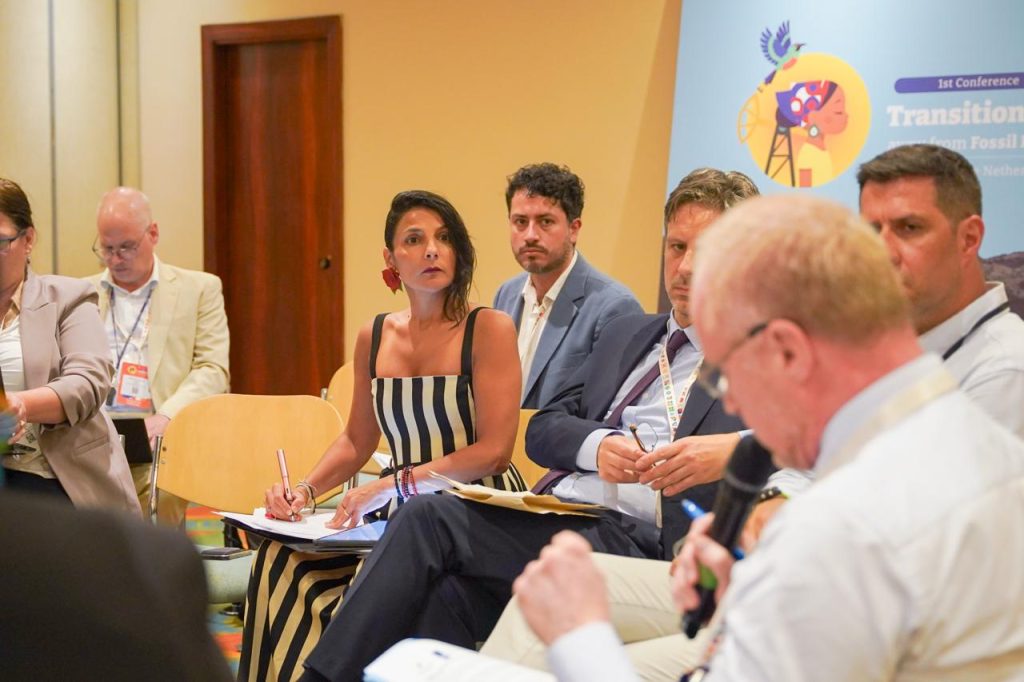
SRINAGAR, India, May 6 (IPS) – The First Conference on Transitioning Away from Fossil Fuels in Santa Marta, Colombia, may eventually be remembered as a defining moment in global climate politics, not because it produced a treaty or a formal negotiation outcome, but because it changed the tone, structure, and ambition of the conversation itself.

Read the full story, “How Santa Marta Finally Made Fossil Fuel Phase-Out Politically Discussable”, on globalissues.org →

Speaking Up for Girls’ Education Carries Heavy Risks in Afghanistan

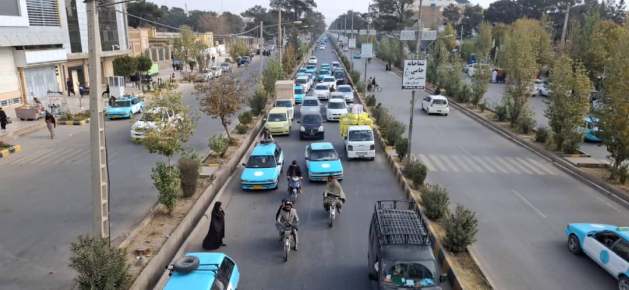
HERAT, Afghanistan, May 5 (IPS) – Qadoos Khatibi, an Afghan university lecturer, and Fayaz Ghori, a civil society activist, also from Afghanistan, were detained by the Taliban’s Ministry for the Promotion of Virtue and Prevention of Vice. Their crime? Advocating for girls’ right to education.

Read the full story, “Speaking Up for Girls’ Education Carries Heavy Risks in Afghanistan”, on globalissues.org →

The UN NGO Committee: Civil Society’s Gatekeeper in Hostile Hands

BRUSSELS, Belgium, May 4 (IPS) – In January, the government of Algeria succeeded in locking two civil society groups out of access to the United Nations (UN). It raised questions at the UN Committee on Non-Governmental Organizations, known as the NGO Committee, about two civil society groups with accreditation. It alleged that Italian organisation Il Cenacolo was making politically motivated statements at the UN Human Rights Council and the Geneva-based International Committee for the Respect and Implementation of the African Charter on Human and Peoples’ Rights (CIRAC) was selling UN grounds passes. Four days later, it called a vote to revoke their status. Other states urged delay, but the no-action motion failed, and 11 of the body’s 19 members voted to recommend that the UN’s Economic and Social Council (ECOSOC) revoke Il Cenacolo’s accreditation and suspend CIRAC’s for a year.

Read the full story, “The UN NGO Committee: Civil Society’s Gatekeeper in Hostile Hands”, on globalissues.org →