Worldwide

The Oil Market Absorbed the War Shock, but Buffers Are Running Low

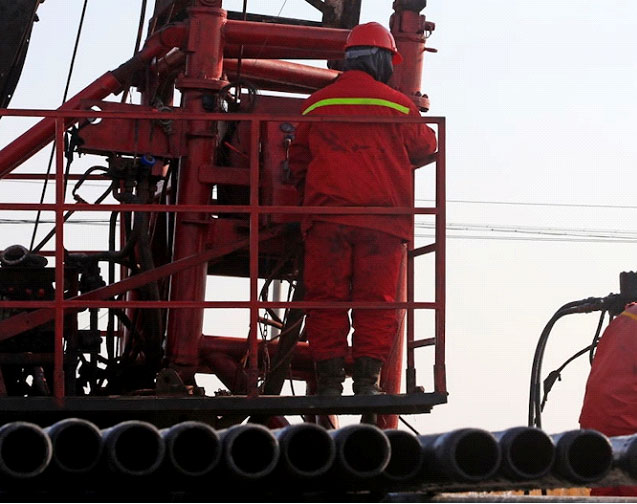
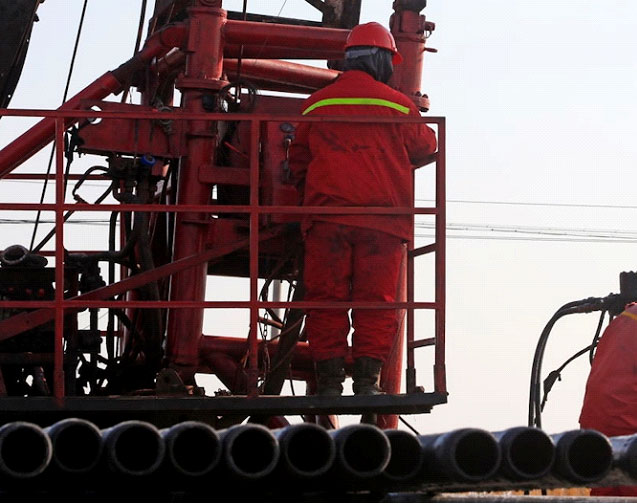
WASHINGTON DC, July 17 (IPS) – The largest disruption to the global oil market in decades should have sent prices soaring. But after spiking at the start of the war in the Middle East, crude prices soon settled in a range of $90 to $100 per barrel, much lower than many had feared. Why didn’t prices climb higher? The answer is that a combination of factors helped cushion the initial blow. But much of that room has now been used up.

Read the full story, “The Oil Market Absorbed the War Shock, but Buffers Are Running Low”, on globalissues.org →
As Gold Prices Soar, Communities Pay the Price in Poisoned Rivers, Vanishing Forests and Organized Crime

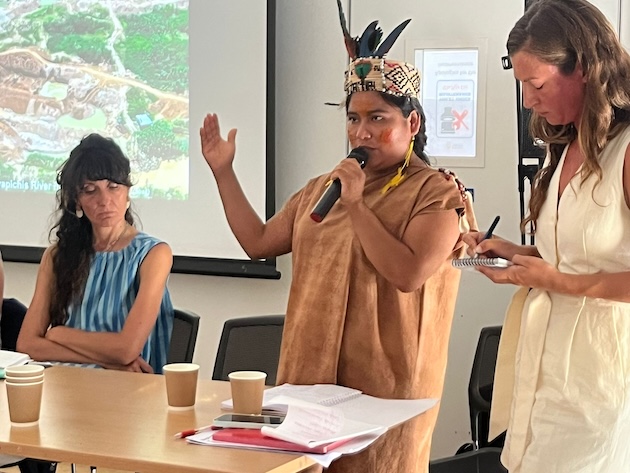
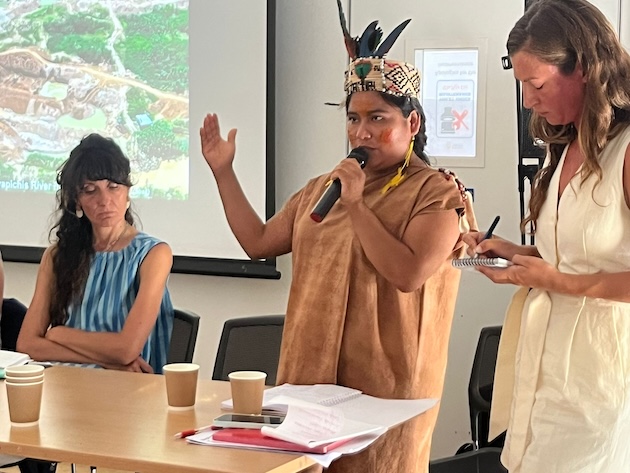
DAR ES SALAAM, Tanzania, July 17 (IPS) – The sweltering heat inside a London conference hall did not deter Indigenous leader Jackeline Mendoza Díaz from condemning the sheer destruction of the Peruvian Amazon. Her voice occasionally trembled with emotion but delivered a strong message — painting a picture far removed from the glittering gold bars traded in the world’s financial capitals.

Read the full story, “As Gold Prices Soar, Communities Pay the Price in Poisoned Rivers, Vanishing Forests and Organized Crime”, on globalissues.org →

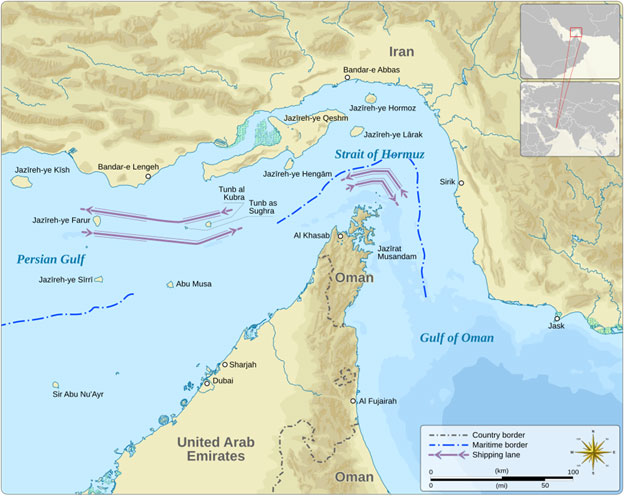
Renewed Hostilities in the Strait of Hormuz Threaten to Compound Global Supply Chain Costs

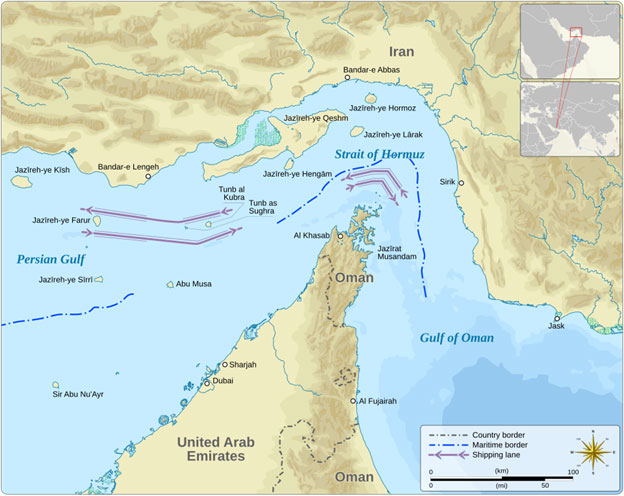
UNITED NATIONS, July 17 (IPS) – A continuation of hostilities within the Strait of Hormuz is once again threatening one of the world’s most critical supply chain arteries, posing another wave of disruption which could choke the global energy, shipping and commodity markets. With roughly a quarter of global seaborne oil trade transiting through the Strait, alongside significant flows of liquefied natural gas and fertilizers, further constraints on commercial traffic could send new cost pressures cascading through supply chains that have yet to absorb the full effects of the earlier conflict.

Read the full story, “Renewed Hostilities in the Strait of Hormuz Threaten to Compound Global Supply Chain Costs”, on globalissues.org →

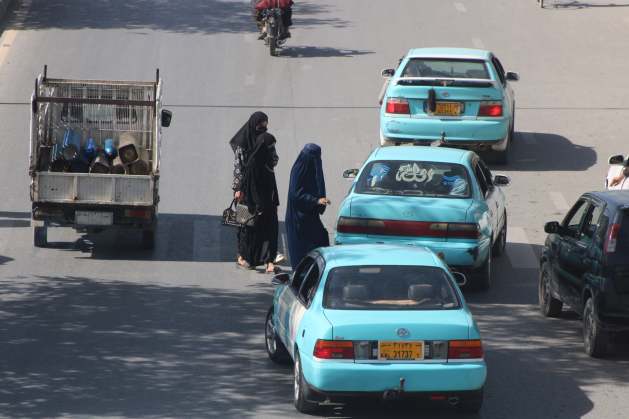
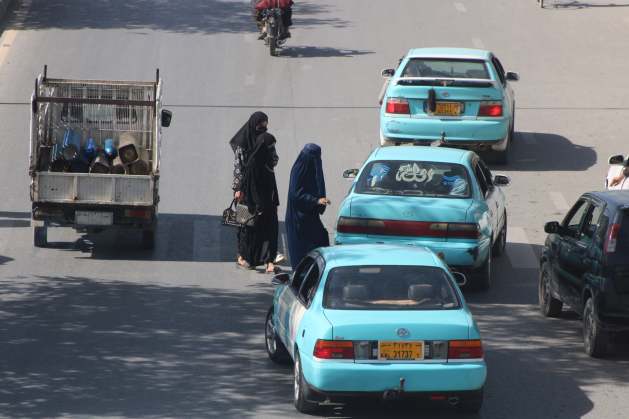
Taliban Use Dress Code to Justify Arbitrary Arrests of Women

HERAT, Afghanistan, July 16 (IPS) – One morning in June, Halima (name changed), went to the market in Herat, her hometown in western Afghanistan, with her mother. She was wearing a long coat and a surgical mask covering her face. She could not have imagined that just a few minutes later she would be sitting in prison.

Read the full story, “Taliban Use Dress Code to Justify Arbitrary Arrests of Women”, on globalissues.org →

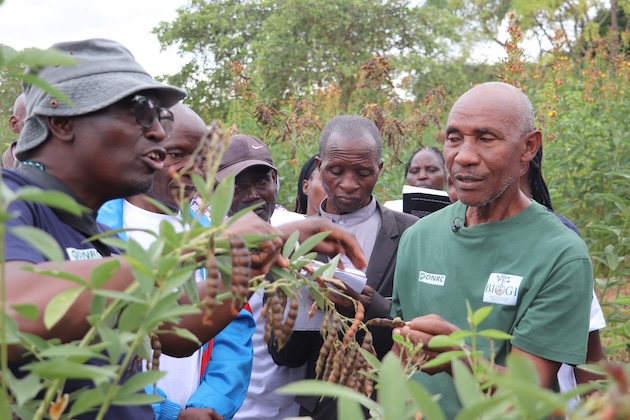
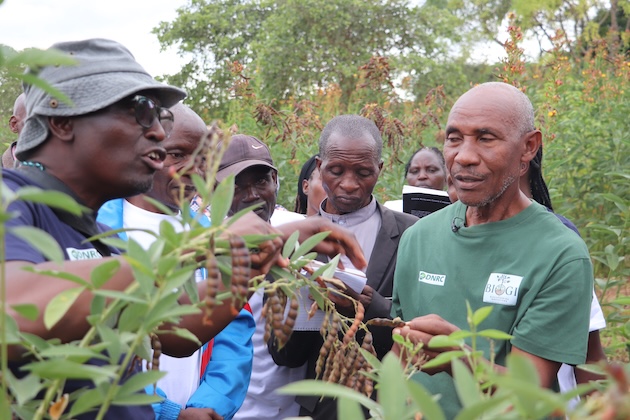
How Farmers Are Learning About Restoring Soils and Scaling Agroecology in Kenya

MAKUENI, Kenya, July 15 (IPS) – At Yumbuni Village in Kenya’s Makueni County, farmers from Vihiga and Kakamega counties have travelled over 560 kilometres to join their colleagues in Kathonzweni Ward and see the progress of experiments being carried out on different homemade organic fertilisers and other farm inputs.

Read the full story, “How Farmers Are Learning About Restoring Soils and Scaling Agroecology in Kenya”, on globalissues.org →

WHO: Urgent Action Needed for the Future of Cancer Care

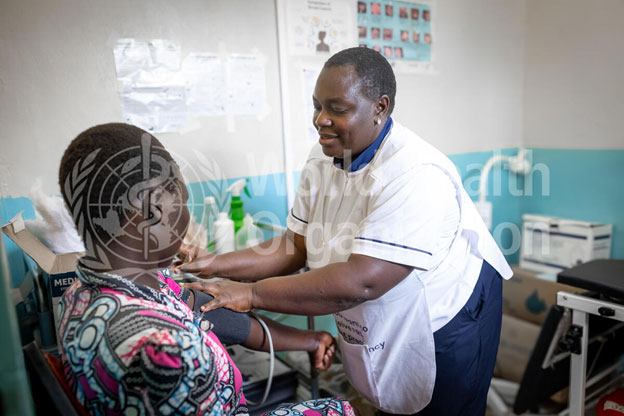
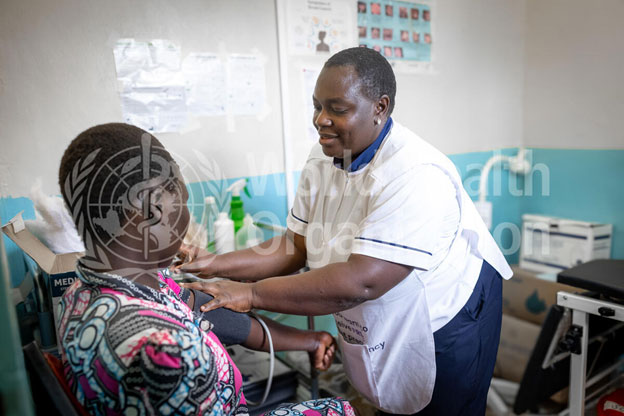
UNITED NATIONS, July 15 (IPS) – One in five people will be diagnosed with cancer in their lifetime, and when the emotional and physical toll on close family members is factored in, an estimated 92 percent of people globally will be affected by cancer at least once in their lifetime. This staggering statistic is the centerpiece of the World Health Organization (WHO)’s latest global report on cancer.

Read the full story, “WHO: Urgent Action Needed for the Future of Cancer Care”, on globalissues.org →