
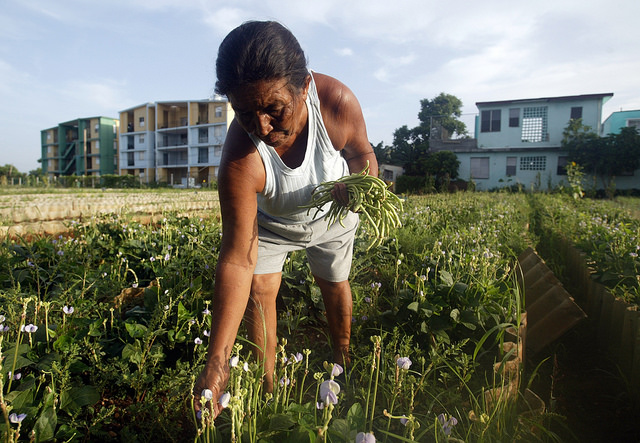
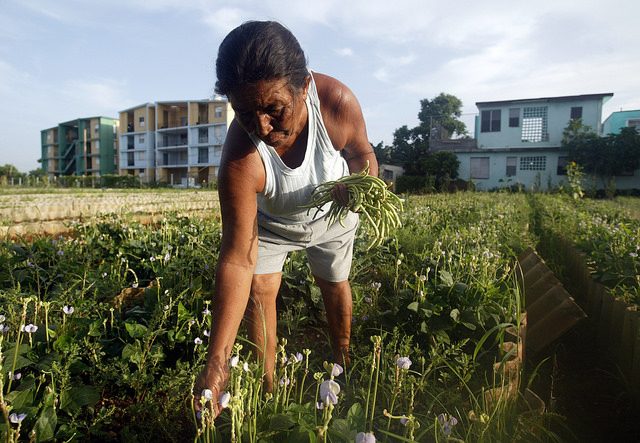
ROME, October 30 (IPS) – A field at the edge of a growing city may be worth far more than its market price suggests. It may produce vegetables sold in nearby markets, support local livelihoods and provide green space in an increasingly built-up environment. It can also help cities manage water, adapt to climate shocks and strengthen local food supplies. As municipal authorities decide where new homes and infrastructure should go, understanding what their land already contributes can help them plan for housing and food together.
About The Author

You may also like
-
New Biodiversity Pledges Emerge at COP17, But Funding Gap Persists
-
Women and Girls’ Death Toll in Armed Conflict Doubles since 2021
-
Why Dowry Still Dictating Women’s Fate?
-
COP17 Celebrates Indigenous Leaders Amid Demand for Greater Inclusion in Biodiversity Decisions
-
Flooding and Food Security: The Urgent Need for Research