
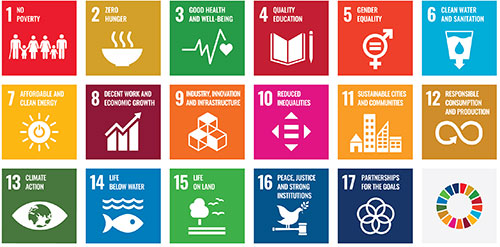
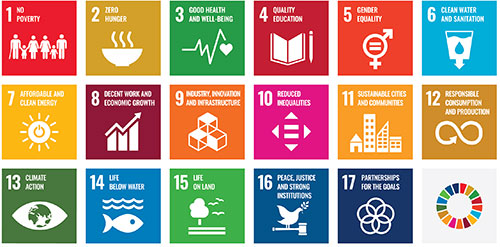
BERLIN / MUNICH, November 27 (IPS) – The global landscape has changed profoundly since the adoption of the 2030 Agenda in 2015. Rising geopolitical tensions, galloping military expenditures, accelerating technological transformation—including the omnipresence of artificial intelligence (AI) —and mounting pressures on development financing are reshaping national and international priorities. These shifts raise fundamental questions about the relevance, ambition and accountability of the global development agenda beyond 2030, and even its feasibility.
About The Author

You may also like
-
From Clothing to Smartphones: The Taliban’s Control Over Young Men
-
Creating Opportunities in the Maritime Transition for Latin America and the Caribbean
-
Looking Toward COP32 With Optimism and Resilience
-
Will Bangladesh’s Islamists Reconcile with the Nation’s Cultural Identity?
-
Rejecting Demographic Arithmetic